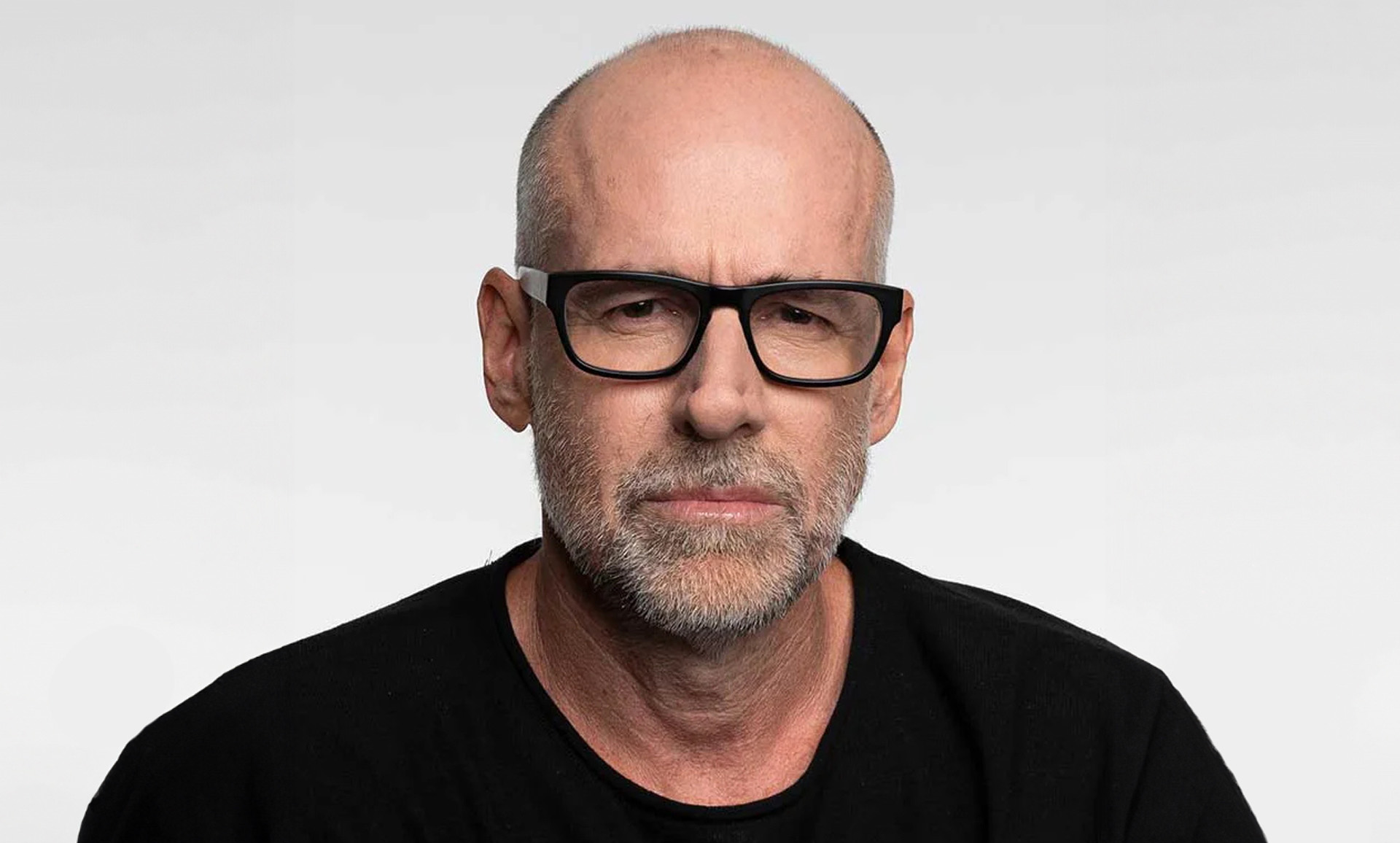
Few voices cut through today’s noise with more clarity — or more provocation — than Scott Galloway. Ahead of his 92NY talk with Ben Stiller on Wed, Nov 5, Prof. G fielded five questions for us, tackling everything from America’s epidemic of political violence, young men in crisis, the future of tech-fueled rage, and his forthcoming book, Notes on Being a Man. Here’s a preview of the candor and firepower you can expect onstage — and online.
Q1: Is the assassination of Charlie Kirk a turning point for America? What do you think it will take to turn this era of political violence around? Do you think it can be turned around? What role do everyday citizens have in helping to resist the slide into normalized political violence?
The bottom line is that two weeks ago, a 31-year-old father of two small children was needlessly murdered. It’s a tragedy, full stop. Regardless of what you think of his rhetoric — and I frankly don’t care about Charlie Kirk’s politics, I care he was a fellow American — he did an admirable, productive, ballsy thing by engaging and sparring with students on university campuses. That’s an overall net positive. Yes — there’s a feeling this is different, ominous. Political violence, demagoguery, dog whistles, and tribalism aren’t new. The dangerous novelty of our time is the fusing of capitalism and technology, a.k.a. social media platforms, to make rate and violence profitable.
An unregulated supply of guns and unregulated tech companies are the byproducts of a country slow dancing with equal parts self-destruction and denial. In the UK, where I live, there will be roughly 30 gun deaths in the next year. In the US, there will be 30 gun fatalities in the next hour. Does the absolute fidelity to gun rights have to come at this high a cost?
Let’s be clear that 40 percent of the market value of the S & P is made up of the deepest-pocketed, most godlike technologies in history whose profit motive can best be described as wholesale 24/7 shit-stirring, e.g., feeding users a diet of misinformation and tribal distrust.
Let’s also be clear that the cohort most susceptible to online persuasion, isolation, misogyny, conspiracy theories, radicalization, addiction, and suicide are boys and young men. Tech fuels a fire of disconnected rage. Most angry young men find peace. Some, instead, find a gun.
The solutions aren’t complicated: break Big Tech’s immunity, invest in boys, rein in guns. The hard part isn’t policy — it’s courage.
Q2: What is your vision of healthy masculinity and mental strength? How does your vision ensure inclusivity and mental safety for men who don’t (or can’t) fit into classic protector/provider roles?
I think of masculinity as a three-legged stool. Protector and Provider are two legs. The third is Procreator , e.g. ensuring the species survives. It doesn’t mean young men should have sex with random multiple women — it means they invest time, energy, and resources to raise kids who are stronger, smart, faster, and more impressive than them.
The goal for any male is to create what Richard Reeves, my Yoda on this subject, calls Surplus Value. It means you give more than you get. For men, this means providing more love to others than was given to you — becoming a better son, brother, friend, or employer to people. Your job, if you become a father, is to create surplus value as measured by being a better dad than your dad was to you. Full stop.
Notes on Being a Man is my experience. A decent percentage of the population will have a different view and outlook. I get that, and as a white, heterosexual male, I don’t purport to have the skills or life experience to tell others what it means to be a man. But the three core traits of masculinity can serve all young men.
Q3: You have sounded the alarm about young men falling behind in school, facing isolation, and mental health challenges, and rising suicides. What are the most promising interventions you’ve seen and think could scale, to turn this trajectory around?
Simple: more economic opportunity for younger people. Twenty-five-year-olds today make less than their parents and grandparents did at the same age, while carrying debt loads unimaginable to earlier generations. Neither the minimum nor the median wage has kept pace with inflation. For years I’ve been advocating raising the minimum wage to $25. We need investment in afterschool and trade programs. We need some form of national service. We need more male teachers in primary education, more money and financial opportunities for young people in general, not least affordable housing and health care. We need more third places, places that are neither home nor work, where younger people can gather.
Dads/older men: you need to step up, too. The fastest blue-line path to a better world isn’t economic growth or a better phone. It’s more men becoming irrationally passionate about the well-being of a child who isn’t their own.
Q4: What is your advice to men who are struggling? And for people around them (partners, family, friends), what behaviors or supports tend to help most, and which ones, though well-intentioned, might backfire?
The fact is that while men have superior musculature, women are emotionally and mentally stronger. Young men struggle to admit they need help or to talk about their feelings, seeing it as weakness or that there’s too big of a social stigma or therapy’s too expensive. For many, the foundational traits of masculinity, including absorbing the blows of others, can blur the line separating being male from silent suffering (or worse). Pride and shame are a toxic cocktail. It can kill you.
My advice: Invest time, energy, and empathy to the young men around you. Don’t assume they’re okay. Reach out, check in, shoot off a text or email. Have coffee or a meal. Boys can resist talking about what’s up with them. My advice: go first, say something personal, establish permission. If they’re really stuck, try to get them working out, eating well, and earning money via a part-time job. Master these and they’ll be in a place to start exploring relationships.
Q5: Given how fast social norms, technology, and political violence are shifting, what is the single most important mindset or set of practices you believe parents should instill in their sons and daughters now, to prepare them for the complexities ahead? Is there something parents are doing today that you see as especially problematic or under-acknowledged?
Concierge, bulldozer, and helicopter parents contribute to more self-indulgent young men than almost any other factor. The eighth-winningest kid lines up to receive a trophy, the phony feel-good school system with its lack of emphasis on fitness — that version of masculinity is actively bad for young men.
As early as possible, encourage your sons to take risks, make as many friends as possible, be kind, express their emotions, and above all move to protect others. As a man your goal someday is to provide surplus value, to offer more than you’re given — without keeping score.
*
Scott Galloway in Conversation with Ben Stiller: Notes on Being a Man, Wed, Nov 5. Tickets for the in-person event are sold out, but you can join the conversation online through streaming access.